The five things that matter
Ignore the feature comparison tables for a moment. For a small agency, a free CRM needs:- A record per client: company, contacts, stage and deal value
- A next action with a date: the specific thing that happens next
- Notes and history: what was said, promised and decided
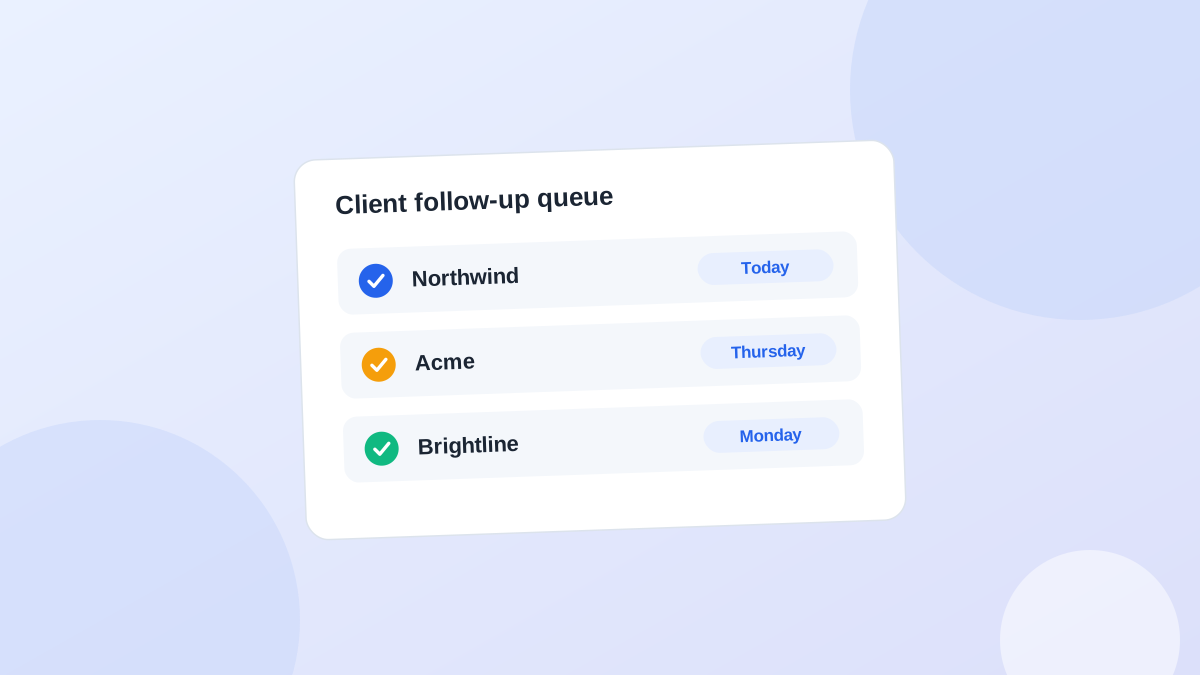
- A daily view: who needs you today, already sorted
- No credit card to start: you should see it working before anyone asks for billing details
Where free plans usually stop
Every free plan has limits, and that's fair. The useful question is which limit you'll hit first.What gets cappedWho feels it first
Number of active clients or dealsAgencies with a busy pipeline
Team membersAnyone sharing follow-ups with a colleague
History and notesLong projects and repeat clients
Automation and AIPeople who write a lot of client messages
Why not just keep the spreadsheet?
A spreadsheet is free too. Fair question. The difference shows up on a busy Monday:- A spreadsheet stores rows. It doesn't tell you what's overdue.
- Your notes live in a different file from the contact.
- Nothing reminds you about the promise you made three weeks ago.
Test it in one afternoon
Don't import your whole contact list on day one. Try this instead:- Add the five clients you're actively chasing right now.
- Give each one a concrete next action and a date.
- Note the last thing you promised each of them.
- Tomorrow morning, open the daily view and work only from that.
When to start paying
Upgrade when one of these is true:- You have more active clients than the free plan allows.
- A teammate needs to see and update the same follow-ups.
- You want more AI help drafting messages than the free allowance gives you.